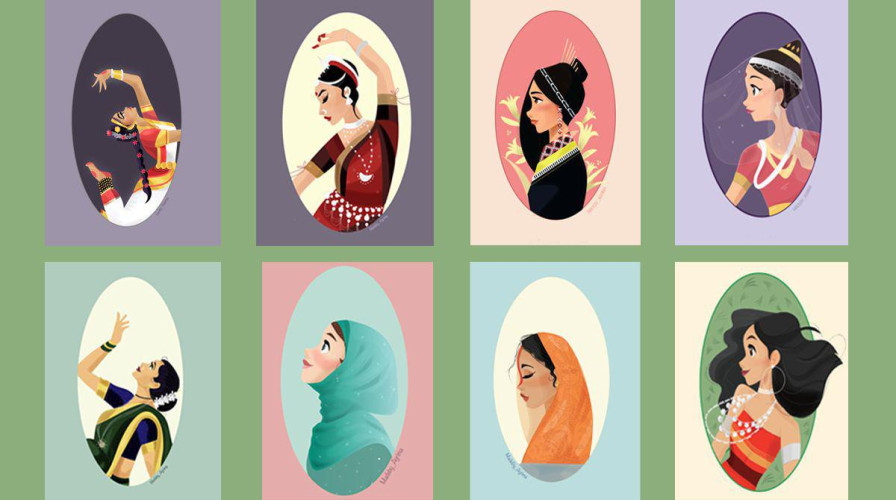
Indian fashion is incredibly diverse and rich, reflecting the country's cultural heritage and modern influences. Traditional Indian clothing varies widely across different regions, each with its own unique styles and techniques.
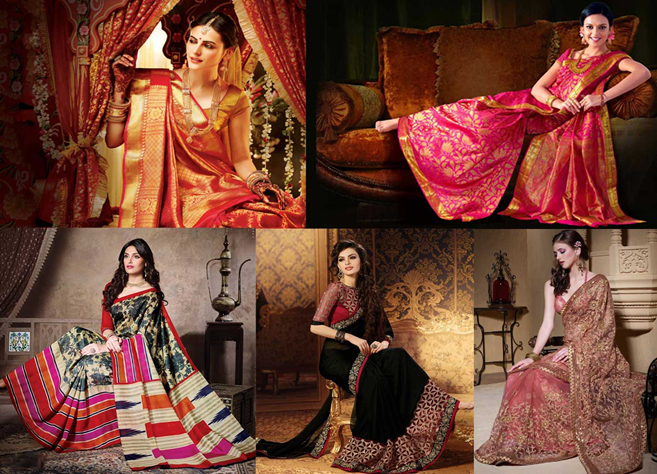
Here are some key elements of Indian fashion:
- Traditional Clothing:
- Sari: A draped garment typically worn by women, consisting of a long piece of fabric wrapped around the body.
- Salwar Kameez: A popular outfit comprising a long tunic (kameez) paired with loose-fitting pants (salwar) and a dupatta (scarf).
- Lehenga Choli: A more elaborate outfit consisting of a skirt (lehenga), a cropped top (choli), and a dupatta.
- Textiles and Fabrics:
- India is renowned for its diverse range of textiles such as silk, cotton, chiffon, georgette, and more.
- Each region has its specialty fabrics, weaving techniques (like Banarasi, Kanjeevaram silk), and embroidery styles (like Chikankari, Zardozi).
- Embroidery and Embellishments:
- Intricate embroidery work is a hallmark of Indian fashion, often featuring motifs inspired by nature, historical art, or cultural symbols.
- Embellishments like sequins, beads, mirrors, and threadwork add richness and texture to garments.
- Modern Indian Fashion:
- Contemporary Indian fashion blends traditional elements with modern trends, catering to a global audience.
- Designers experiment with cuts, styles, and fusion wear, combining traditional Indian textiles with Western silhouettes.
- Regional Diversity:
- Each Indian state and region has its distinct fashion traditions, influenced by local culture, climate, and historical factors.
- For example, the vibrant colors and mirror work of Rajasthan contrast with the understated elegance of South Indian silk sarees.
- Influence on Global Fashion:
- Indian fashion has gained international recognition and influence, with Bollywood playing a significant role in popularizing Indian attire and styles globally.
- Designers like Manish Malhotra, Sabyasachi Mukherjee, and Anita Dongre are known worldwide for their contributions to Indian fashion.
In conclusion, Indian fashion is a vibrant tapestry woven with threads of tradition, innovation, and cultural diversity. From the timeless elegance of sarees and intricate craftsmanship of embroidery to the fusion of traditional textiles with modern silhouettes, Indian fashion continues to captivate both locally and globally. It celebrates regional diversity through a myriad of styles, textiles, and techniques, reflecting India's rich heritage and evolving with contemporary influences. As it continues to make waves on international runways and red carpets, Indian fashion remains a dynamic force, bridging the gap between tradition and modernity with unparalleled grace and creativity.
Related Tag :